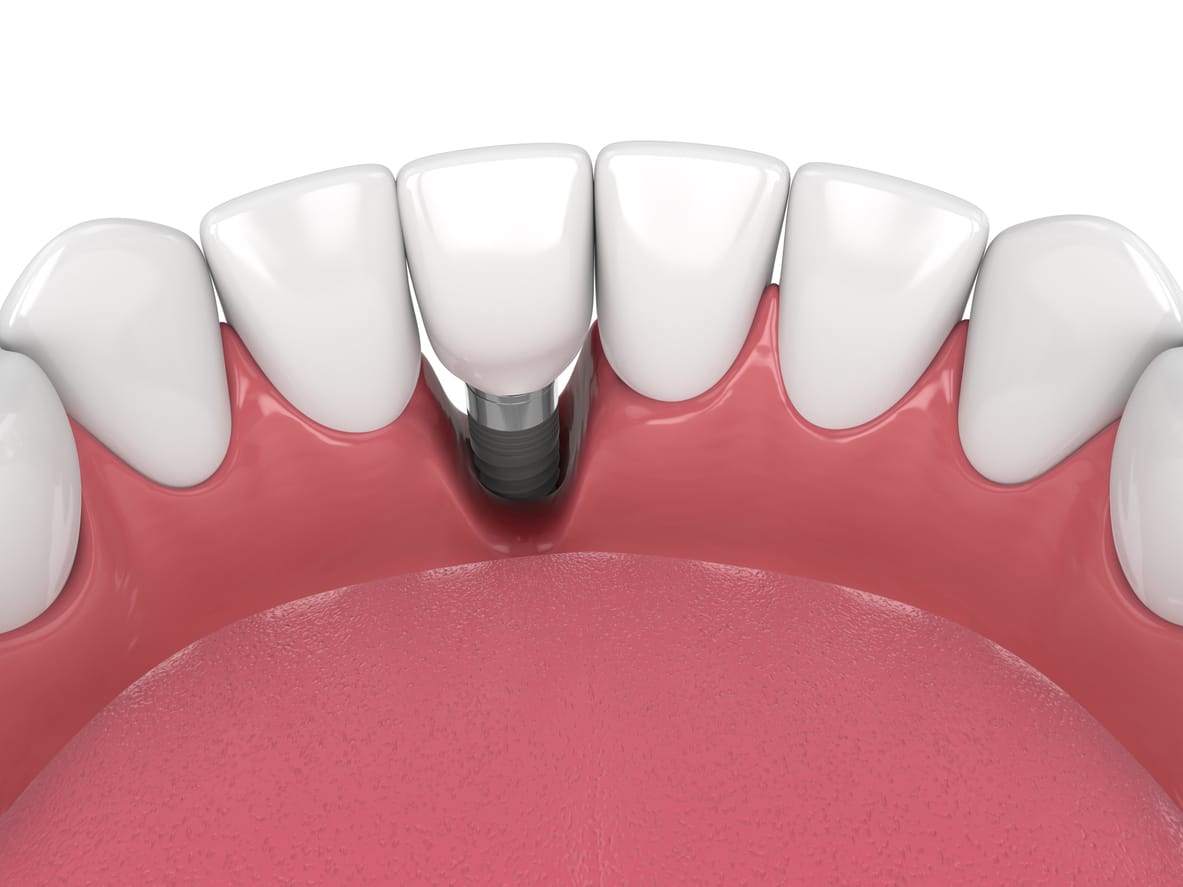
Dental implants are a life-changing solution for missing teeth, designed to look, feel, and function just like your natural ones. However, just like natural teeth, implants require a healthy environment to thrive. If the tissues surrounding your implant become inflamed or infected, it can lead to a condition known as peri-implantitis.
Understanding the signs and acting early is the best way to ensure your dental implants last for decades. If you are experiencing any issues with your dental implants, we encourage you to book a consultation with us. Step into our centre of excellence, where state-of-the-art technology meets world-class expertise.
While dental implants themselves cannot get cavities, the gum and bone supporting them can still be affected by bacteria.
Often, these conditions develop without significant pain, so it’s important to watch for the following:
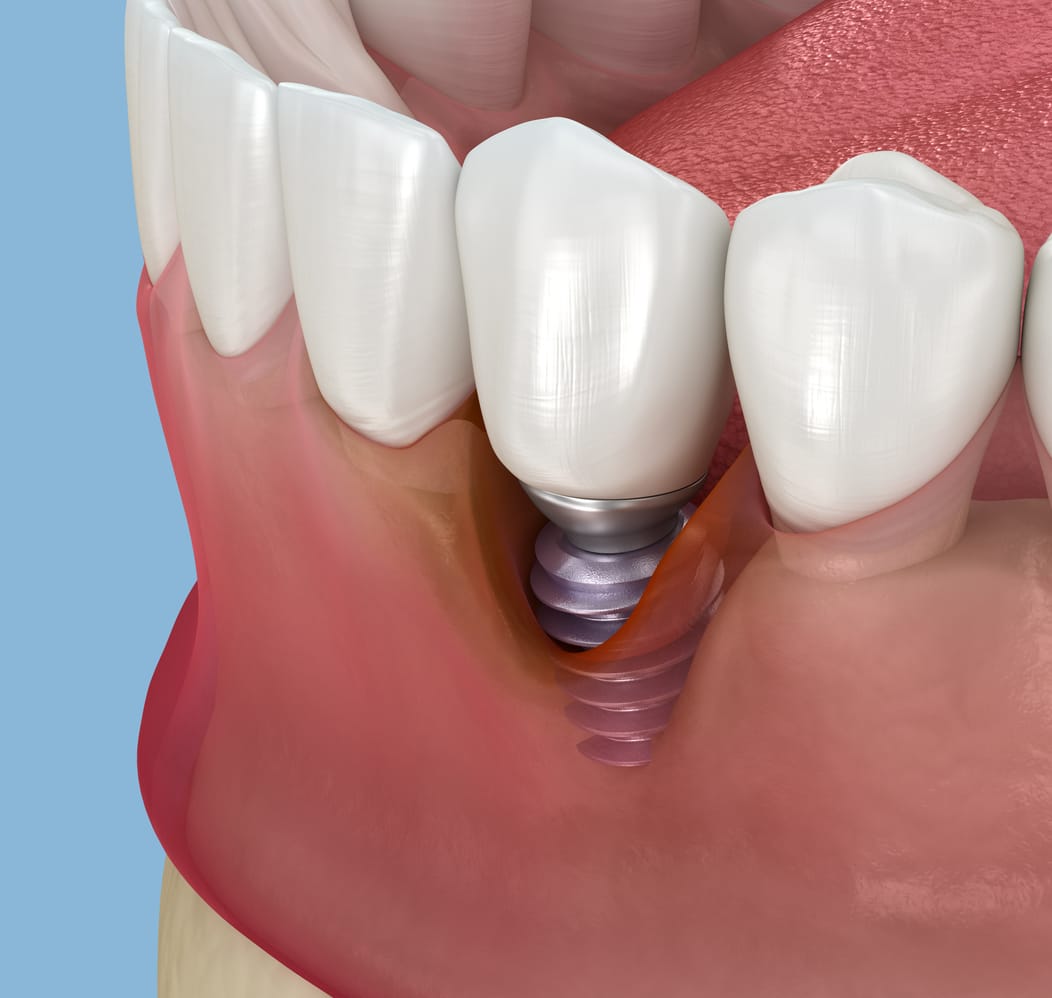
Research shows that a strong seal between your gum tissue and the titanium abutment (the post screwed into your implant) is essential for stability. This seal can be compromised by several factors, including:
We offer a professional consultation at our practice in Harley Street. Book your appointment, and we will be happy to answer any questions you have and create your personalised treatment plan.
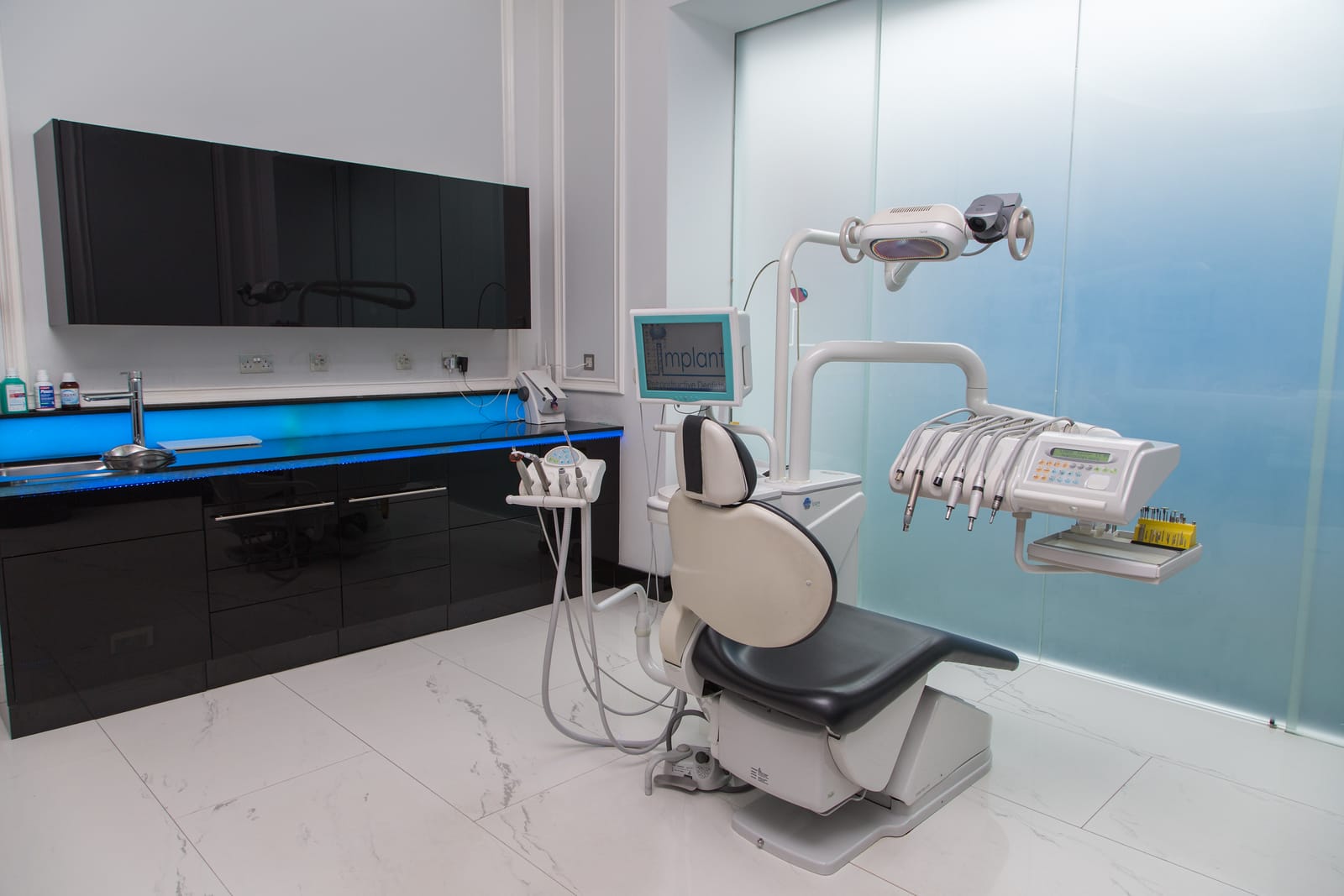
Located in the heart of Harley Street, our clinic is housed in a beautifully refurbished Georgian building featuring a dedicated surgical suite, a cutting-edge sterilisation atrium, and an on-site Morita 3D CT scanner, ensuring that patients receive comprehensive diagnosis and treatment without needing to go off-site.
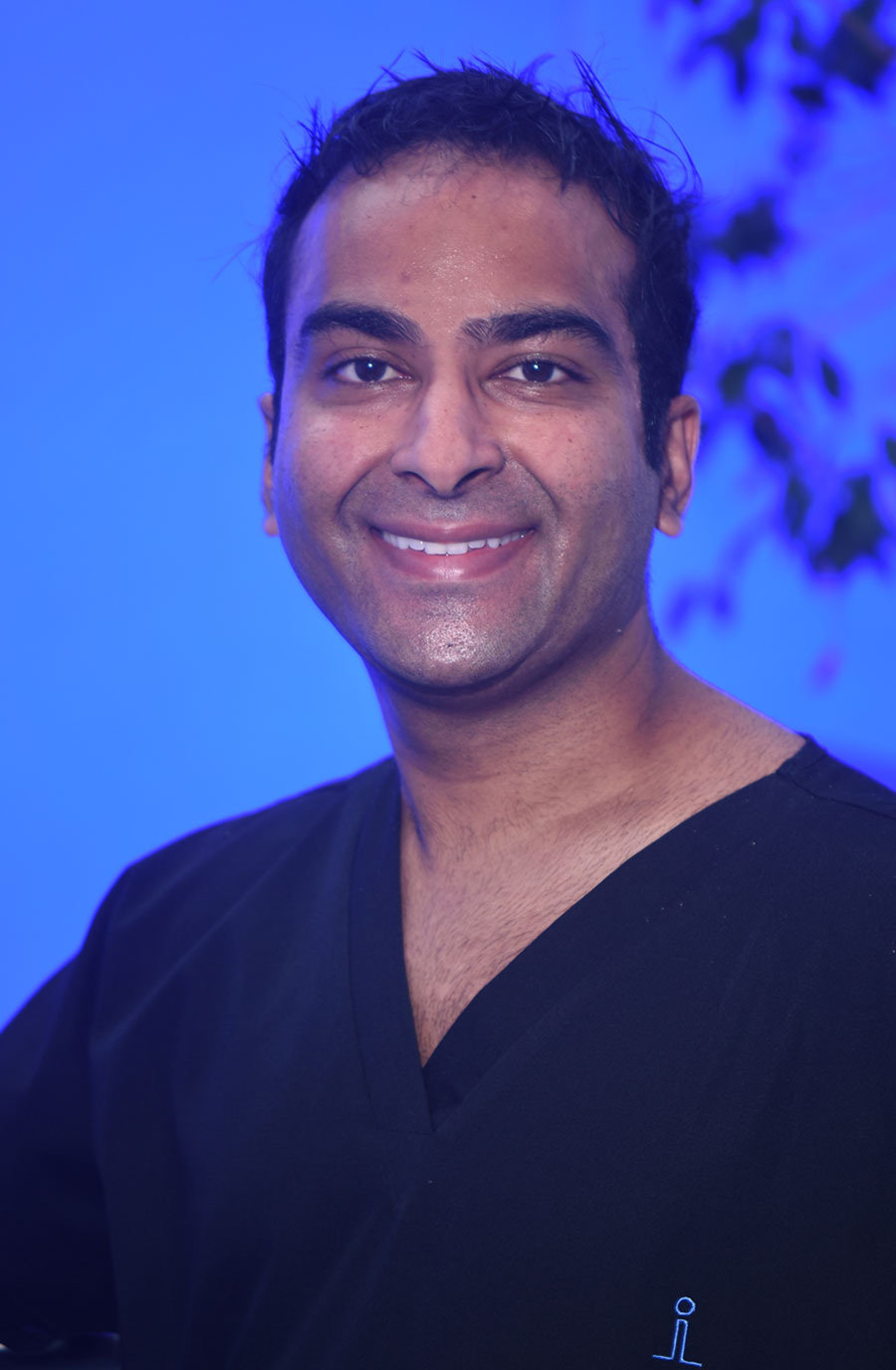
Led by Dr. Michael Norton, a global pioneer with over 35 years of experience, the team specialises in both routine and complex cases, including advanced care for peri-implantitis in London. We can often treat early-stage issues conservatively with antimicrobial irrigation and topical antibiotics. For more advanced cases of peri-implantitis, Dr Azim Malik provides specialist surgical decontamination and bone grafting to repair the damage and stabilise your implant. If you are concerned about your dental implants, seeking expert care is vital. Book a consultation with us today.
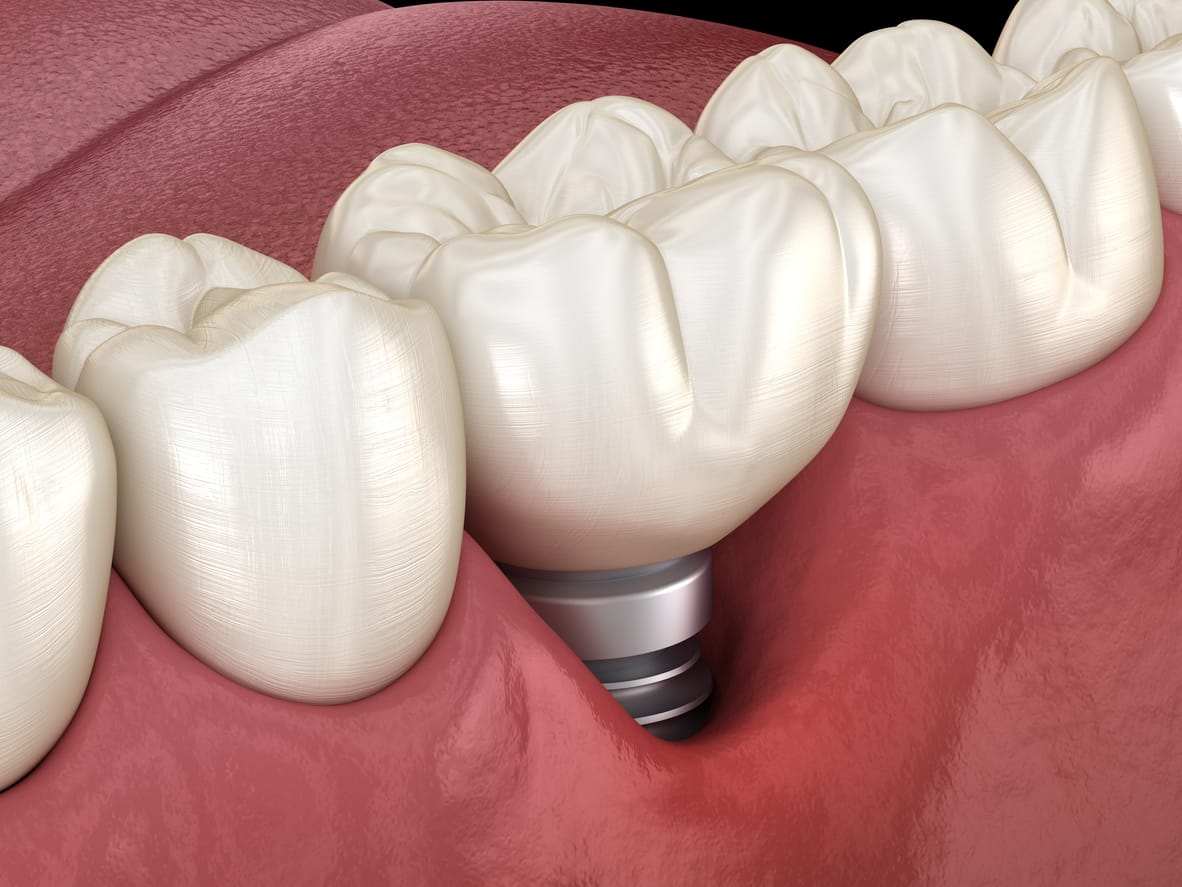
The health of the bone and gum is the foundation of your implant’s success. By maintaining a strict cleaning routine and attending regular hygiene appointments and specialist check-ups, you can catch warning signs like mucositis before they progress.
Please don’t ignore the early signs. If you notice bleeding or discomfort around your implant, contact our specialist clinic today to protect your investment and your health. Our professional and friendly team is here to help you look after your oral health for the long term.
Choosing the right implantologist is a big decision. You want someone who is highly skilled and has vast experience. Here at Norton Implants, we’re committed to providing outstanding dental implant treatment in a professional and safe environment. But don’t just take our word for it, see what our patients say about their experiences with us.
GDC No. 210077.
Dr Malik completed his Specialist training in Periodontology and Implant Dentistry at the Royal London Dental Hospital/Barts Health, where he completed his Doctorate in Clinical Dentistry. He has successfully passed his Membership in Periodontics examination at the Royal College of Surgeons, Edinburgh (MPerio RCSEd), and is a GDC-registered Specialist Periodontist.
If you would like to know more about peri-implantitis or have questions about your dental implants, please get in touch. Taking the first step toward saving your dental implant is as simple as booking a specialist consultation with us.
During your initial visit for a peri-implantitis consultation in London, we will perform a thorough clinical examination, often using digital X-rays to assess the level of bone support around the implant. This assessment is crucial for determining whether you are dealing with reversible mucositis or more advanced bone loss. If you are seeking treatment for peri-implantitis in Harley Street, you will receive a bespoke treatment plan tailored to your specific needs, focusing on thorough decontamination and long-term stabilisation. Early intervention is key to preventing implant failure, so don’t hesitate to reach out to us, a clinical team that understands the complexities of implant health.
While peri-implantitis is very similar to traditional gum disease (periodontitis), it specifically affects the area surrounding a dental implant rather than a natural tooth. Both conditions are caused by a buildup of bacteria and plaque that leads to inflammation; however, because implants are made of titanium and lack the natural ligament fibers of a tooth, the infection can sometimes progress more aggressively. If you are concerned about inflammation around your restoration, seeking a specialist for peri-implantitis in London is the best way to ensure the infection is managed before it causes permanent damage to the supporting structures.
The good news is that peri-implantitis can often be treated effectively, especially when caught in the earlier stages. Treatment typically involves a thorough professional decontamination of the implant surface to remove the harmful biofilm, sometimes combined with local antibiotics or surgical intervention to repair the bone. At our clinic, we specialise in advanced techniques for treating peri-implantitis in Harley Street, focusing on stabilising the site and regenerating lost tissue where possible. While the goal is always to save the implant, the success of treatment depends heavily on how much bone remains, making early intervention essential for long-term survival.
Diagnosis involves a clinical examination to check for signs of infection, such as checking the depth of the gum pockets and taking X-rays to assess the underlying bone levels. The condition generally progresses through two main stages: peri-implant mucositis and peri-implantitis. Mucositis is the early, reversible stage where only the soft gums are inflamed, much like gingivitis. Once it transitions into true peri-implantitis, the infection begins to destroy the bone that anchors the implant in place. Because this bone loss can happen without significant pain, regular check-ups are vital to catch these changes before they become visible to the naked eye.
You should contact a specialist the moment you notice warning signs like bleeding when brushing, persistent redness, or a mauve discoloration of the gums around your implant. Unlike natural teeth, which may ache when infected, dental implants often don't cause pain until the condition is quite advanced, so you shouldn't wait for discomfort to develop. Promptly booking a consultation for peri-implantitis allows us to intercept the infection while it may still be in the reversible mucositis stage, significantly increasing the chances of protecting your investment and maintaining a healthy, functional smile.
 Home
Home