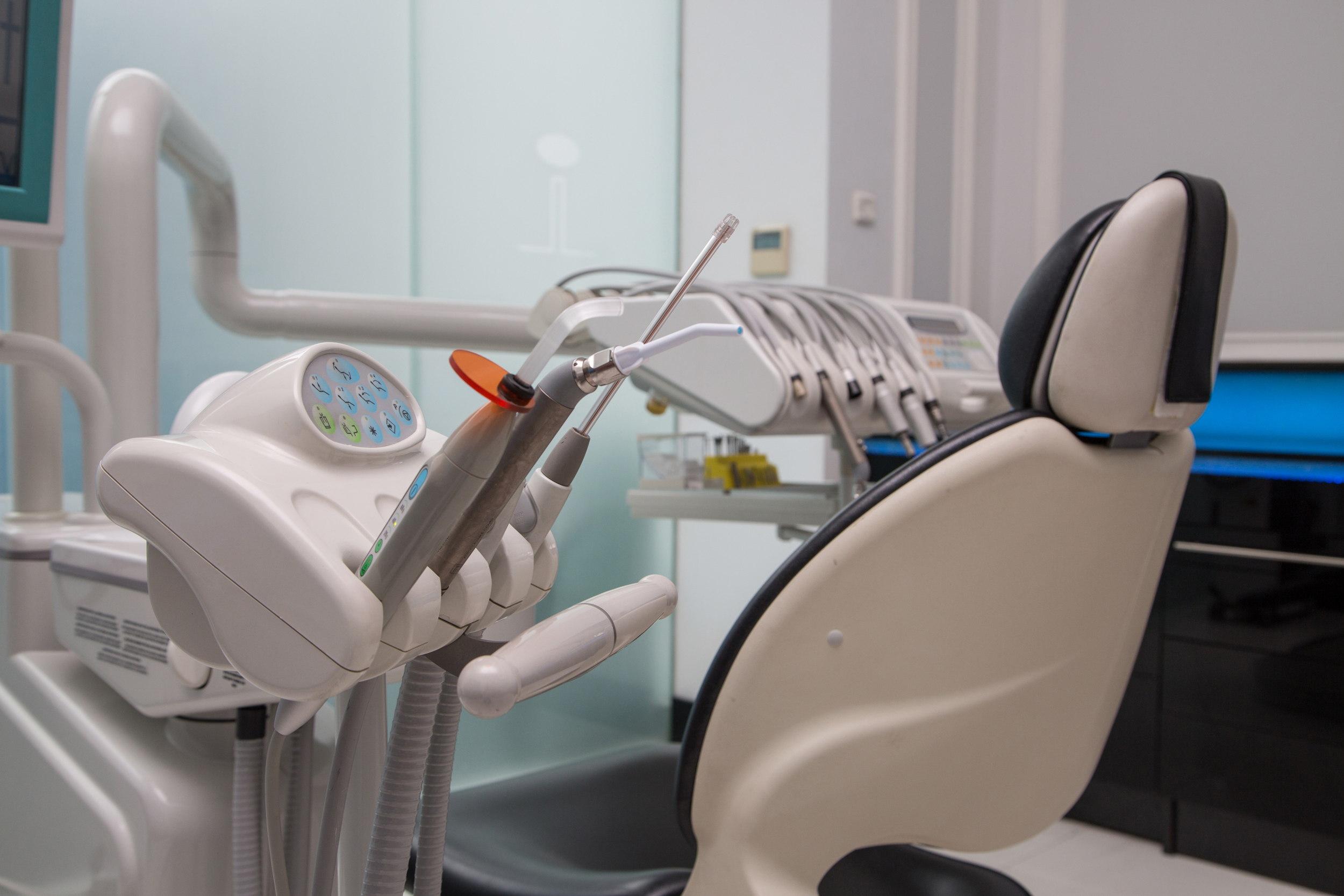
Periodontics is the specialist branch of dentistry dedicated to the health of the supporting structures of your teeth, namely, your gums and the bone underneath. Here at Norton Implants, our specialist periodontist Dr Azim Malik offers diagnosis, prevention, and treatment of gum disease (gingivitis and periodontitis), and performing the surgical and non-surgical treatments necessary to restore the foundations of a healthy, stable smile. If you are concerned about your oral health, please contact us today and book a personalised consultation.
Patients choose our Harley Street practice because they are seeking the highest calibre of care for their gum and bone health. Our periodontist works within a clinic renowned for its dedication to complex reconstructive and implant dentistry. This means you benefit from a specialist who operates at the peak of their field, using state-of-the-art technology in a world-leading facility. Whether you require routine gum health maintenance or complex surgical preparation for dental implants, our focus on precision, expertise, and outstanding long-term results ensures you receive elite, tailored treatment.

Azim is a GDC-registered Specialist Periodontist. This means he has dedicated years to advanced, focused training in the health of gums and the bone that supports teeth.
He successfully completed his extensive Specialist training in Periodontology and Implant Dentistry at the prestigious Royal London Dental Hospital/Barts Health, where he also earned his advanced Doctorate in Clinical Dentistry.
To confirm his expertise, Azim successfully passed the demanding Membership in Periodontics examination at the Royal College of Surgeons, Edinburgh (MPerio RCSEd) a sign of his high standard of specialised knowledge. He is also a visiting lecturer and examiner at the University of Bristol.

Peri-implantitis is a condition where bacteria infect the gum and bone tissue supporting a dental implant, similar to how gum disease (periodontitis) affects a natural tooth. If left untreated, it can lead to implant failure. Our specialist approach involves deep cleaning, implant surface decontamination, and often minor surgical procedures to halt the infection, eliminate bacteria, and regenerate lost bone and tissue around the implant, protecting your investment and ensuring the long-term success of your restoration.
Soft tissue surgery covers a range of minor surgical procedures designed to improve the health, function, and appearance of your gums. This can include removing excess gum tissue for aesthetic reasons (a ‘gummy smile’), or treating deep pockets created by advanced gum disease that cannot be cleaned non-surgically. These precise treatments help establish a healthier gum line, making cleaning easier and protecting the vulnerable roots of your teeth.
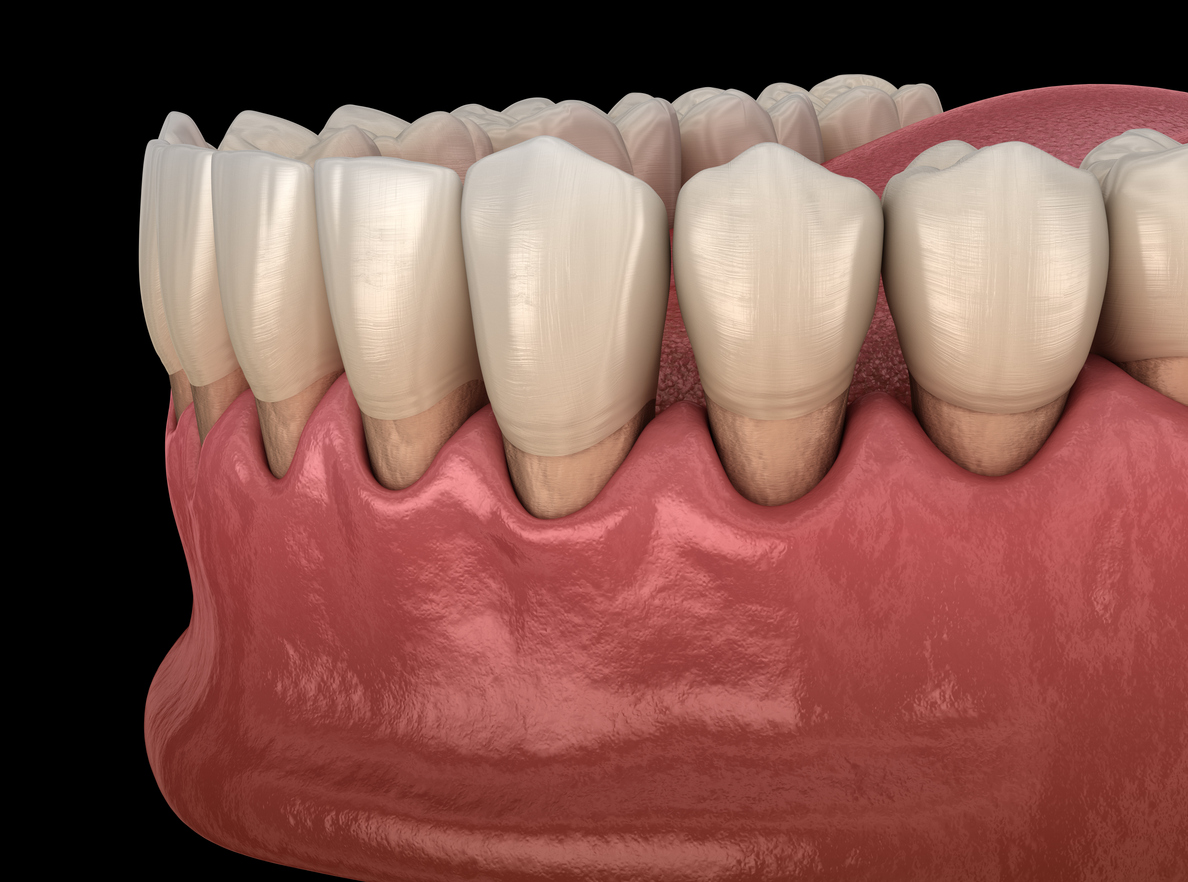
Gingival recession (or receding gums) occurs when the gum tissue pulls away from the tooth, exposing the root surface. This can lead to sensitivity, an unsightly appearance, and increased risk of root decay. Our periodontist offers various advanced grafting techniques, often using tissue taken from another part of your mouth or synthetic materials, to meticulously cover the exposed root surfaces. These procedures restore the natural gum line, reducing sensitivity and greatly improving the smile’s aesthetics.
If you feel like your smile shows too much gum (a “gummy smile”) or your teeth look too short, this treatment can create a more balanced and aesthetically pleasing smile. The crown lengthening procedure is a technique used to adjust the gum and bone level around a tooth to expose more of the natural tooth structure. This is often necessary for restorative dentistry, such as when a tooth is broken below the gum line or has extensive decay, making it difficult to place a crown or filling correctly. The procedure creates a healthy margin between the tooth and the gum, which is vital for placing a durable, long-lasting, and aesthetically pleasing restoration.
Successful dental implant placement requires sufficient quality and quantity of bone. If you have suffered bone loss due to tooth extraction, gum disease, or trauma, our specialist offers advanced bone augmentation techniques. These sophisticated procedures rebuild the jawbone structure, preparing a strong and reliable foundation, making it possible to safely and securely place your dental implants. Here at Norton Implants we are also proud to offer sinus lifts in cases where patients do not have enough bone to place an implant conventionally in the upper jaw.
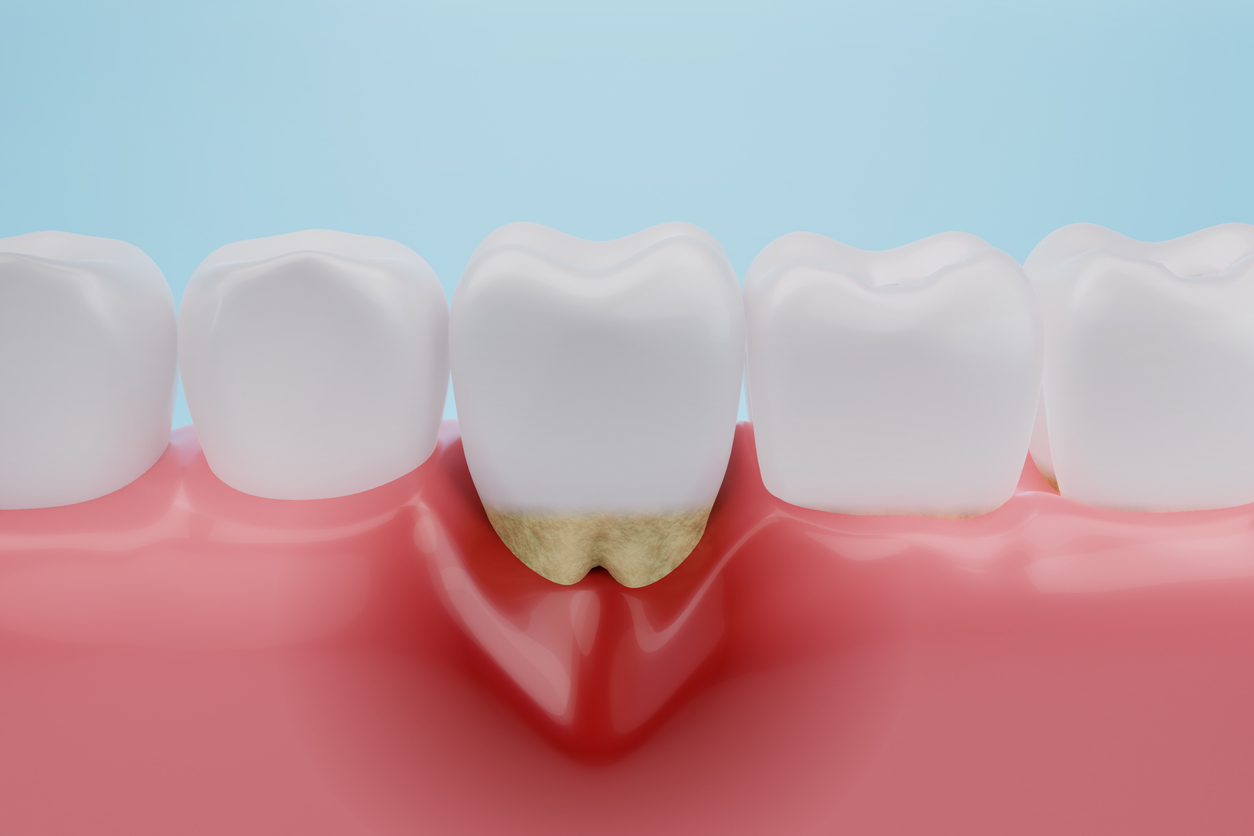
This is a deep cleaning procedure to treat gum disease (periodontitis). It goes beyond a regular cleaning by carefully removing plaque and tartar (calculus) from the root surfaces of your teeth, below the gum line. It also smooths the root surface, making it harder for bacteria to stick and allowing the gums to reattach more firmly. This is often called scaling and root planing.
This is an umbrella term for various surgical procedures used to repair or regenerate tissues damaged by gum disease (periodontitis). It can involve procedures like pocket reduction surgery (to clean and shrink the deep spaces between the tooth and gum) or procedures to regenerate lost bone and tissue (like bone grafting or guided tissue regeneration).
This procedure is used to cover up areas where the gum has pulled away from the tooth (gingival recession), exposing the root surface. This recession can cause sensitivity, be aesthetically displeasing, and increase the risk of decay. The surgery typically involves a gum graft where a small piece of tissue is taken from the roof of your mouth or used from a tissue bank and placed over the exposed root to cover it.
A frenectomy is a simple surgical procedure to remove or reposition a small fold/muscle of tissue (called a frenum or frenulum). This tissue connects the lip or cheek to the gum or the tongue to the floor of the mouth. If a frenum is too thick or tight, it can cause problems like gum recession, gaps between the teeth, or difficulty speaking (a “tongue-tie”).
This is the removal of a tooth, most commonly a wisdom tooth (third molar), that is causing problems or is predicted to cause problems. A surgical extraction is needed when a tooth is impacted (stuck beneath the gum or bone) or not easily accessible. It involves making a small incision in the gum to remove the tooth, sometimes requiring the tooth to be divided into pieces first.
This is a procedure performed immediately following a tooth extraction to help preserve the shape and width of the jawbone where the tooth was removed. The tooth socket is filled with bone grafting material and covered, which minimises the shrinkage of the jawbone over time. This is often done in preparation for a future dental implant or bridge.
This is a surgical procedure aimed at regrowing the bone, cementum, and ligament that support a tooth and have been lost due to severe gum disease. Special materials (like bone grafts, membranes, or tissue-stimulating proteins) are placed in the affected areas to encourage your body’s natural ability to regenerate the lost supportive structures.
Choosing to see a specialist periodontist over a general dentist for your gum and bone concerns offers several key advantages for your overall health and the future of your smile. Firstly, you benefit from a higher level of expertise and experience in treating complex gum disease, ensuring you receive the most effective treatment plan tailored specifically to your case.
Secondly, specialists are equipped with advanced diagnostic and surgical tools that allow for minimally invasive, highly precise procedures, leading to better results and faster recovery times. Ultimately, seeing a specialist focuses on long-term stability. By properly managing the foundations of your teeth and implants, a periodontist helps prevent tooth loss, improves the success rate of complex restorative work, and safeguards your smile for decades to come.
Take a look at some of our past case studies below and discover how we can help you achieve a healthy smile. For more information, or to book an appointment, please get in touch with us.


A periodontist is a dentist who has completed several years of advanced training focused exclusively on the diagnosis, prevention, and treatment of gum disease (periodontitis) and the placement and maintenance of dental implants. You should consider seeing a periodontist if your general dentist notices signs of advanced gum disease, such as deep "pockets" around your teeth, persistent bleeding, receding gums, or loose teeth. They are also the experts to see if you are considering dental implants, have suffered bone loss, or need complex cosmetic procedures involving your gum line.
A Harley Street periodontist specialises in advanced prevention by offering comprehensive risk assessments that go far beyond standard dental check-ups. They can identify subtle genetic, environmental, and health factors that make you prone to gum disease. Treatment involves meticulous, deep cleaning procedures (like scaling and root planing) to eliminate built-up bacteria and tartar below the gum line. Crucially, they educate and coach you on tailored, high-level home care techniques, empowering you to maintain gum health and prevent the recurrence or progression of this chronic condition.
Yes, treatments such as bone grafting and crown lengthening are considered very safe, especially when performed by a qualified specialist periodontist. These procedures are routine and have been perfected over many years. Your periodontist uses sterile techniques, local anaesthesia, and modern, biocompatible materials to ensure both safety and comfort. Before any procedure, we conduct a thorough assessment, including advanced imaging, to plan the treatment precisely, explain all risks, and ensure the best possible outcome for your long-term oral health.
The results from periodontal treatments are designed to be long-lasting, often permanent, but they heavily depend on patient commitment to follow-up care. Procedures like gum grafting or bone augmentation are permanent repairs to the tissue structure. However, since gum disease is often a chronic condition, the stability of these results relies on excellent daily oral hygiene and adherence to a prescribed schedule of regular professional maintenance cleanings (often known as supportive periodontal therapy). By working closely with your periodontist, you can expect your treated gums and bone structure to remain healthy for decades.
 Home
Home